Engineered Passion: Why You Can't Bottle What the Terrace Once Gave for Free
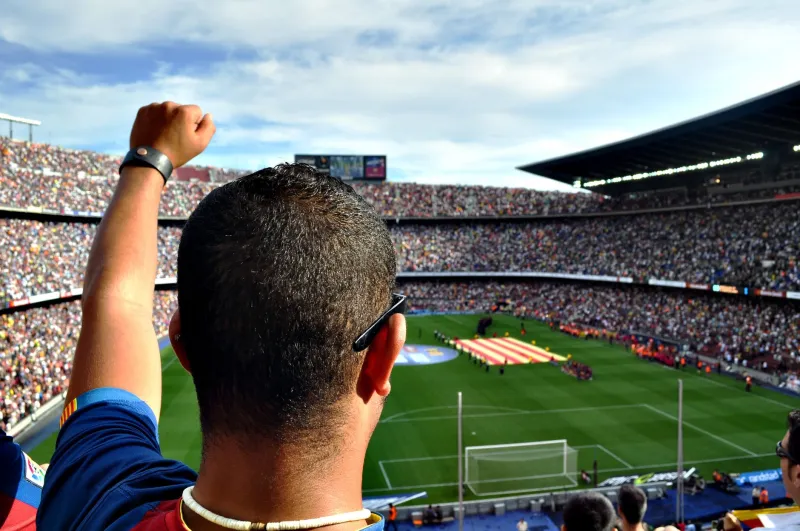
There's a moment, usually about ten minutes before kick-off, when you can tell everything you need to know about a ground's atmosphere. Not from the PA system. Not from the DJ hammering out an Oasis track at 110 decibels. From the murmur. That low, rolling hum of thousands of people who genuinely cannot wait for the next ninety minutes to begin. You either feel it or you don't. And increasingly, at grounds across England, you don't.
Instead, clubs are filling that silence with product. With noise-makers handed out at the turnstile. With giant inflatable clappers branded in club colours. With carefully curated pre-match playlists and designated "atmosphere zones" positioned behind the goal like some sort of sonic experiment. The intention is good. The result, more often than not, is deeply, awkwardly hollow.
The Clapper Problem
Let's start with the clappers, because they're the most visible symbol of a problem that runs much deeper. The logic is straightforward enough: if supporters have something in their hands that makes noise, they'll use it. More noise equals better atmosphere. Better atmosphere equals a better matchday product. Better product equals happier sponsors and a more attractive broadcast package.
Except it doesn't work like that. Anyone who's sat in a stand full of people half-heartedly waving a plastic clapper they were handed on the way in knows exactly what manufactured enthusiasm sounds like. It sounds like nothing. It sounds like the absence of the real thing. The clappers get left on seats. They end up in bins. The odd one gets thrown onto the pitch, which is its own kind of statement.
The Premier League, to its credit, has at least started to acknowledge that handing out branded noise-makers isn't the answer. But the fact that it ever seemed like the answer tells you something important about how disconnected the conversation around atmosphere has become from the people who actually create it.
Singing Sections: Good Idea, Complicated Reality
The designated singing section is a more thoughtful approach, and in fairness, there are examples where it's worked. Wolverhampton Wanderers' South Bank has a genuine claim to being one of the better atmospheres in the top flight, and it didn't happen by accident. But for every Wolves, there are five clubs where the singing section feels like a human zoo — a small, corralled group of ultras-in-training surrounded by seated fans who'd quite like them to keep it down during the match.
The tension is real. Singing sections work best when they emerge organically from a fanbase that already has the culture to sustain them. When clubs impose them from above — designating a block, moving people around, telling supporters where to stand and when to make noise — it often feels like being directed by a stage manager who's never actually watched live football.
There's also the issue of who gets left out. The older fan who's had the same seat for thirty years. The family in the middle tier who come every week and sing their hearts out but don't want to stand for ninety minutes. The away supporter who turns up and suddenly finds the home end is performing rather than just... being.
What We Actually Lost
Here's the honest truth: the atmosphere problem in English football isn't primarily about clappers or singing sections or DJ sets. It's about what happened to the people who used to create atmosphere without being asked to.
The shift to all-seater stadiums after Hillsborough was necessary and right. Nobody serious argues otherwise. But the transition coincided with a commercialisation of the matchday experience that fundamentally changed who was in the ground and why. Ticket prices rose. The demographic shifted. The organic, working-class terrace culture that produced those roaring, swaying, spontaneous walls of sound didn't disappear overnight — but it got squeezed, priced out, and slowly replaced by a more passive kind of spectatorship.
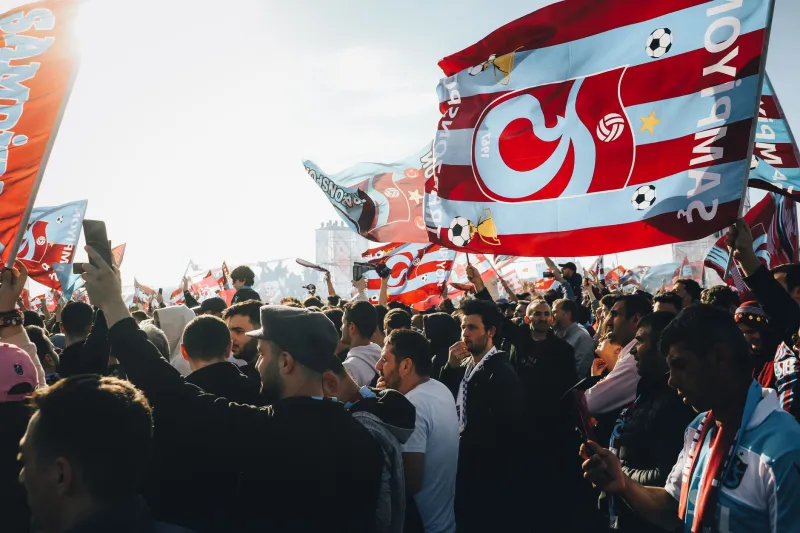
The fans who used to stand on the Kop or the Stretford End or the Holte End weren't performing atmosphere. They weren't trying to create a product. They were just there, in the way they'd always been there, and the noise was a byproduct of genuine collective feeling. You can't engineer that. You really can't.
The Broadcast Feedback Loop
There's another layer to this worth unpicking, and it's the relationship between atmosphere and television. The irony is brutal: the broadcast deals that have transformed club finances have simultaneously incentivised the kind of sanitised, family-friendly matchday experience that kills atmosphere stone dead. Kick-off times scatter across the week. Fans who'd travel to a Saturday three o'clock can't make a Monday night game in January. The ground fills with corporate guests and first-timers who aren't sure when to clap.
And then the TV coverage pipes in crowd noise — adjusted, enhanced, sometimes outright fabricated, as we all discovered during the pandemic — and the whole thing becomes a hall of mirrors. The broadcast shapes what we think atmosphere sounds like. The clubs try to recreate that sound in the stadium. The broadcast captures the result and adjusts it again. Nobody's quite sure what's real anymore.
Can It Come Back?
It's not all doom. Safe standing, where it's been introduced, has genuinely shifted the mood in certain grounds. The rail seating areas at some Championship and lower league clubs have brought back something that felt lost. When fans have the physical freedom to move, to turn to each other, to sway and lean and react without being anchored to a plastic seat, something changes. The noise stops being performed and starts being felt again.
But safe standing alone won't fix it. The atmosphere problem is ultimately a fan culture problem, and fan culture can't be legislated into existence by a board of directors who've decided this season's priority is "improving the matchday experience."
The clubs that have the best atmospheres in England right now aren't the ones with the biggest budgets or the most sophisticated pre-match entertainment. They're the ones where the fans still feel like they own something. Where the connection between the terrace and the pitch isn't mediated by a marketing strategy. Where the noise comes from somewhere real.
You can't buy that. You can't design it. You can only try not to destroy it — and right now, too many clubs are doing exactly that, one branded clapper at a time.