Empty Seats and Quiet Fury: The Personal Protests Reshaping Football From the Inside
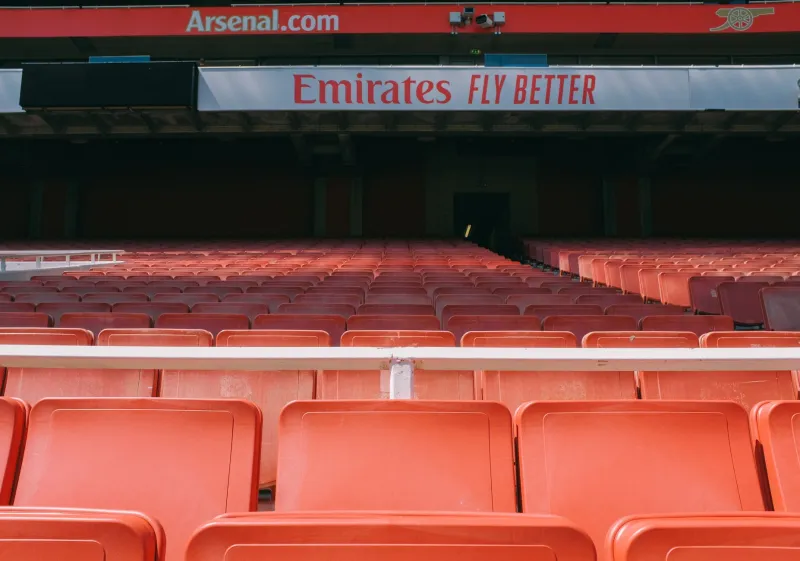
There was no press conference. No organised group, no coordinated hashtag, no spokesperson standing outside the ground with a megaphone. Just Gary — not his real name, but it'll do — sitting at home on a Saturday afternoon for the first time in eleven years, watching the scores come in on his phone, feeling something between relief and grief.
He'd decided, quietly and on his own, that he wasn't going anymore. Not until things changed. And that was that.
This is the protest that doesn't make the back pages. The one that happens in living rooms and kitchen tables and private group chats, person by person, match by match. It's not glamorous. It doesn't generate footage. But it might be the most honest expression of where football fandom in this country currently stands.
The Big Boycotts Miss the Point
When fan protests do make the news, they tend to be dramatic. Organised walkouts timed to the seventy-second minute. Banners dropped from upper tiers. Coordinated empty-seat displays that photograph well from the press box. These things matter, and they shouldn't be dismissed — but they represent the visible tip of something much larger and more diffuse.
Beneath the organised movements, there's a quieter groundswell of individual supporters simply deciding they've had enough. Not enough of this result or that manager, but enough of this — the creeping sense that the club they've supported their whole lives has stopped being theirs in any meaningful way.
The reasons vary. Ticket prices that have quietly crept past the point of justification. A new ownership structure that arrived with promises and delivered confusion. A matchday experience that feels increasingly corporate, increasingly sterile, increasingly designed for someone who isn't them. The specifics differ from club to club, from fan to fan. The feeling is remarkably consistent.
Arriving Late as a Statement
One of the more interesting forms of quiet dissent is the deliberate late arrival. Not because of traffic or a slow pint — but as a conscious choice. A small, personal withdrawal of the thing clubs have always been able to count on: unconditional punctuality.
For some fans, turning up for the second minute instead of being in their seat for the warm-up is a way of saying something without saying anything. It costs the club nothing in any measurable sense. A seat is still occupied, a ticket still purchased. But the ritual of being there early — the part that used to be a joy — has been quietly retired as a form of low-level objection.
It sounds minor. It is minor, individually. But speak to fans at enough clubs and you start to hear the same thing: the atmosphere in the first ten minutes isn't what it was, the ground takes longer to fill, the energy is slower to build. Some of that is demographic. Some of it is the product of a thousand small, private decisions made by people who still love their club but have quietly stopped performing that love on demand.
The Walk-Out That Nobody Covered
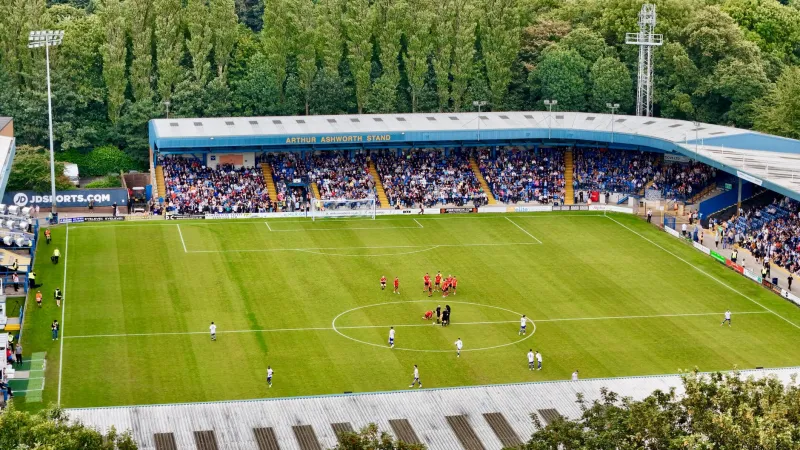
At a lower-league ground in the north of England last season — and deliberately no more specific than that, because the point is it could be anywhere — a group of about forty supporters left at half-time during a particularly dispiriting run of results under a manager they'd lost all faith in. Not in a coordinated way. Not with a pre-planned statement. Just forty people, separately and then together, deciding they'd rather have another pint than watch another forty-five minutes of that.
The local paper didn't cover it. There was no club response. But in the pub afterwards, those forty people had one of the most honest, energised conversations about their club that any of them could remember. Something had been said, even if nobody outside the pub heard it.
That's the strange thing about quiet protests: they often do more for the people making them than for the people they're aimed at. The act of choosing not to participate — even in something you love — can be clarifying in a way that passive attendance never is.
What the Empty Seat Actually Costs
Clubs are not oblivious to this. Behind the scenes, supporter liaison officers track attendance patterns, renewal rates, and the demographic profile of who's coming through the turnstiles. When a certain type of fan — the long-term season ticket holder, the one who arrives early and stays late — starts quietly disappearing, it registers.
It doesn't always change anything. That's the frustration. The economics of modern football have, in many cases, made the traditional terrace-going supporter less commercially significant than a newer, more occasional fan who spends more in the club shop. The maths is brutal and most clubs know it.
But culture isn't just economics. The atmosphere generated by committed, long-term supporters is part of what makes a stadium worth visiting, part of what gets broadcast around the world, part of what gives a club its identity. When that slowly drains away — not dramatically, not with a protest that anyone notices, but through a hundred individual decisions made by people who just got tired — something is genuinely lost.
The Hardest Thing Is Still Caring
What makes this form of protest different from simply losing interest is that the people doing it haven't stopped caring. If anything, the opposite. The decision to stay away, to arrive late, to sit in silence when you'd normally be singing — these are acts of someone who cares enormously and has run out of other ways to show it.
Gary, sitting at home with his phone, watching the score update, still felt every goal. He'd just decided that showing up, in the current circumstances, was a form of consent he wasn't willing to give.
That's not apathy. That's love with nowhere left to go.