From the Stands to the Boardroom: What Fans Actually Think Is Killing Football
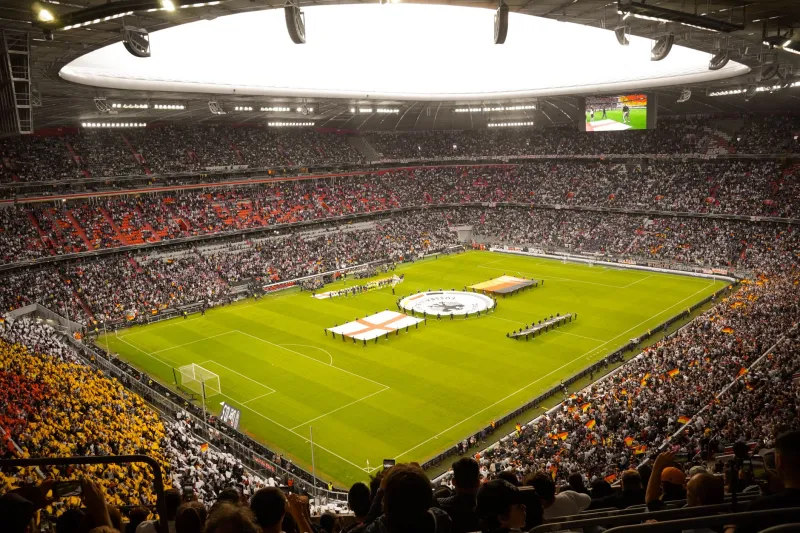
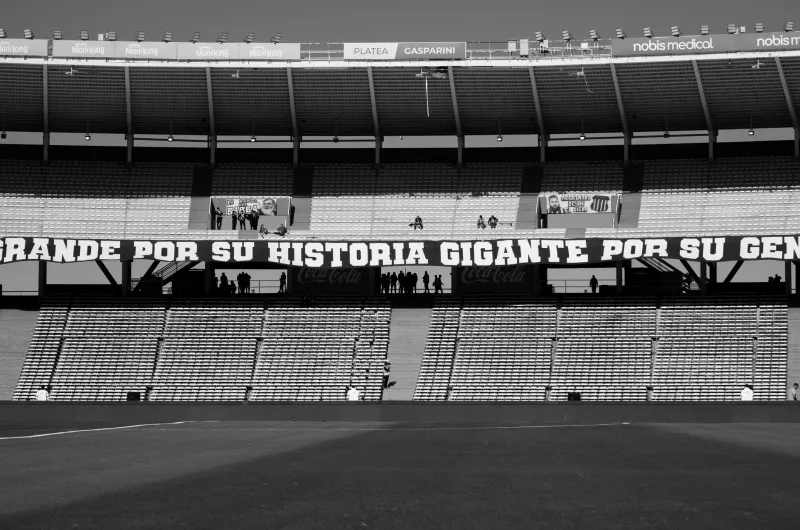
There's a particular kind of conversation that happens about twenty minutes before kick-off. Scarves on, pies in hand, the match not yet started but the opinions already flowing. It's in these moments — on the concourse, at the turnstile, in the boozer opposite the ground — that you get the unfiltered truth about what supporters actually think of the game they love.
We spent the better part of a month doing exactly that. Talking to fans across the country, sifting through supporter trust forums, digging into social media threads that never make it onto Sky Sports News. What came back wasn't a neat narrative. It was messy, passionate, sometimes contradictory — and entirely, bracingly honest.
The Ticket Price Problem Nobody in Power Wants to Solve
If there's one issue that unites fans across every division, every club, every postcode, it's money. Specifically, the eye-watering cost of getting through the gate.
"I've been coming here since 1987," said one supporter outside Elland Road on a wet Tuesday. "Back then I could bring my lad and have change left from a twenty. Now I need a small loan just for the two of us to sit in the upper tier."
He's not exaggerating by much. Premier League matchday tickets have risen sharply over the past decade, with some clubs charging north of £70 for a standard adult seat. Away fans often fare even worse, travelling hundreds of miles only to pay premium prices for restricted views.
The £30 away ticket cap introduced in the Premier League offered some relief, and supporters were quick to acknowledge it. But many feel it's a sticking plaster on a much deeper wound. "It's welcome, it really is," one Wolves fan told us. "But why is it even needed? Why did prices get so obscene in the first place?"
The answer, most fans will tell you without hesitation, is ownership.
Who Actually Owns Your Club — And Do They Care?
Ownership has become the defining anxiety of modern football fandom. The fear that your club could be sold to someone with no interest in the community, the history, or even the sport itself is no longer hypothetical for plenty of supporters.
The proposed European Super League in 2021 cracked something open. It exposed, in the starkest possible terms, the gulf between how owners view clubs and how supporters do. For fans, a football club is a civic institution. For certain owners, it's apparently an asset to be leveraged.
"After the Super League business, I genuinely didn't know if I wanted to carry on," admitted one long-standing Arsenal supporter in a fan forum thread that racked up hundreds of replies. "It made me realise they don't see us the way we see this club."
The mood around foreign investment is complicated. Many fans acknowledge that overseas money has funded success — Manchester City's transformation is the obvious example. But there's a growing sense that something intangible has been lost, a localness, a rootedness, that no amount of Champions League nights can fully replace.
German football's 50+1 ownership model gets mentioned a lot in these conversations. Whether it's truly transferable to the English game is debatable, but the fact that ordinary supporters are researching continental governance structures tells you everything about how disillusioned many have become.
VAR: The Technology That United Everyone in Frustration
If ownership divides fans along tribal lines, VAR brings them together — in collective despair.
The Video Assistant Referee was supposed to eliminate clear and obvious errors. What it's delivered, at least in the perception of the stands, is longer delays, more confusion, and a nagging sense that even a goal can be taken from you at any moment.
"The spontaneity is gone," said one Newcastle supporter, and you heard variations of that sentence everywhere. The instinct to celebrate, that rush of pure joy when the ball hits the net, has been replaced by a cautious glance toward the big screen. Is it offside? Was there a push? Did the referee fancy a look at the monitor?
Fans aren't opposed to technology in principle. Most accept that refereeing errors have always existed and that some form of review makes sense. What they object to is the implementation — the interminable waits, the marginal calls, the sense that human judgement has been outsourced to a camera angle that nobody in the ground can see.
"Just get rid of the offside ones," offered one Brentford fan with the weary pragmatism of someone who's clearly thought about it too long. "Keep it for goals and red cards. That's it. Done."
The Premier League's recent adjustments to the system suggest those in charge are listening, at least a little. Whether they're hearing is another matter.
Atmosphere, Identity, and the Soul of the Matchday
Beyond the structural grievances, there's a softer but equally real concern about what football feels like now. Matchday atmosphere — that ineffable, electric thing that makes a stadium come alive — is something supporters feel is under threat.
Safe standing has been welcomed almost universally, and its gradual rollout across the top two divisions is seen as a genuine win for fan culture. But other changes cut the other way. Early kick-offs to suit broadcast schedules. Grounds that prioritise corporate hospitality over the supporter who's been coming for thirty years. Piped music drowning out organic chanting.
"They say they want atmosphere but then they do everything to kill it," said one Sunderland fan. "It's like they want the idea of a passionate crowd without actually letting us be passionate."
What's striking is that none of this comes from a place of blind nostalgia. Supporters aren't asking for the terracing of the 1970s or the crumbling grounds of a less safety-conscious era. They want the game to evolve — but to evolve with them, not around them.
The Future According to the People Who Actually Turn Up
For all the frustration, something else comes through clearly in these conversations: love. Stubborn, irrational, unshakeable love for the game and for the clubs that have defined lives, families, and communities.
Fans aren't leaving. Not in the numbers that would force real change, anyway. And perhaps the industry knows that, which is part of the problem.
But there's a generational question hovering over everything. Young supporters, priced out of grounds, increasingly watching on phones or not watching at all, represent a long-term challenge that no TV deal can paper over forever. The game needs them. Whether it's doing enough to keep them is something most fans answer with a shake of the head.
"I want my daughter to feel what I feel when she walks into this ground," said a Derby fan we spoke to, gesturing toward Pride Park. "That's all. Just that."
It's not an unreasonable ask. But from where supporters are standing right now, it feels further away than it should.
Got something to say about the state of the game? Get in touch or drop your thoughts in the comments. This is The Terrace — real talk, always.