Ten Quid for a Pie? The Real Price of a Matchday Has Lost the Plot
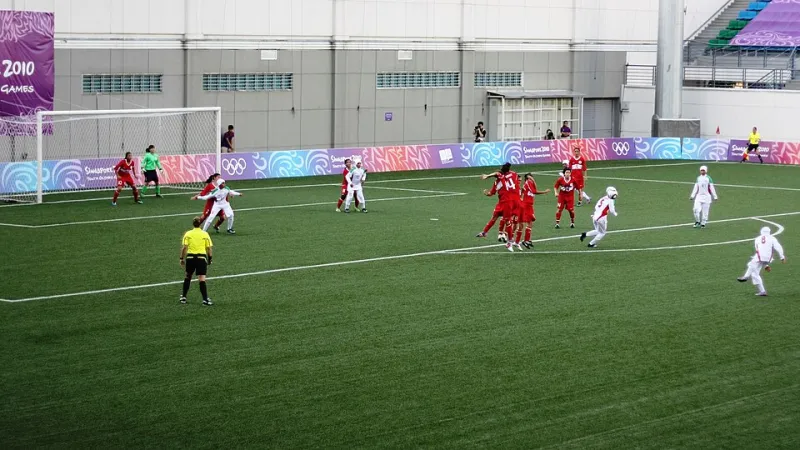
Photo: Kmchang28, CC BY-SA 4.0, via Wikimedia Commons
There's a moment that happens at every ground in the country, usually somewhere between the turnstile and your seat. You hand over a fiver for a pint that comes in a plastic cup thinner than your hopes, and you do the maths without meaning to. Then you do it again, because you don't believe it the first time.
The ticket used to be the expensive bit. Not anymore.
The Ticket Is Just the Cover Charge
Ask any match-going fan what a day at the football actually costs and they'll rattle off a number that has nothing to do with the listed ticket price. Because the ticket — even at Premier League level, where sixty quid a pop is no longer a scandal but a Tuesday — is only where the spending starts.
Add a programme at £3.50, a pie at £4.50, a pint at £6.20 if you're lucky and nearer £8 if you're at certain London grounds we won't name but you can guess. Then there's the travel, the merch your kid spots in the club shop, the coffee at half-time in February because your fingers have stopped working.
Do the full sums for a family of four at a top-flight game and you're north of £250. Two hundred and fifty pounds. For one afternoon. That's not a treat anymore; that's a short break in Portugal.
Cast Your Mind Back a Bit
Here's the part that stings. In the mid-nineties, a matchday was cheap enough that going every week wasn't a financial decision — it was just what you did. A ticket on the terrace at most clubs was somewhere between a fiver and a tenner. A pint was £2. A pie was pocket change. Get the bus, have a couple in the pub before, chip shop after, and you were home with change from £20.
Even adjusting for inflation — and yes, everything's dearer, we know — football has comfortably outpaced the cost of living. Tickets have risen at two, three, sometimes four times the rate of wages over the Premier League era. The matchday pie has become a symbol of the whole thing: a product that costs pennies to make, sold at a markup that would make an airport blush.
What Fans Are Quietly Giving Up
Nobody announces their cutbacks. There's no press release when you stop buying the programme. But the pattern is there if you look.
The programme is the first to go — a nice-to-have that's become a luxury nobody admits missing. Then the merch, especially for adults. £85 for a shirt that changes design every season? Plenty have decided their 2022 edition still does the job. The pre-match pint in town gets downgraded to one at home, or to nothing. Some fans eat before they leave the house, full stop, turning the concourse into a corridor they walk through with their hands in their pockets.
And the quietest cut of all: the away trips. Season ticket holders who used to do twenty-two away grounds a year now do six. The ones they can drive to. The ones with cheap trains. The Saturday 3pm kickoffs, because the 8pm Monday slot costs them a day's leave they can't spare.
Clubs count bums on seats and see loyalty. They're often just seeing the last few things people haven't cut yet.
The Clubs Getting It Right
It doesn't have to be this way, and the proof sits further down the pyramid.
A handful of clubs have made cheap football a deliberate identity. Forest Green made national headlines with their fan-led pricing. FC United of Manchester built their whole model around it. Accrington Stanley have kept tickets under £20 for years and still sell out their big games. In the Championship, clubs like Bristol City have frozen or reduced season ticket prices and been rewarded with packed stands.
But the real story is non-league. A tenner in, a decent pint for four quid, the chairman pulling his own pint behind the bar. Whole families going every week because they can. The grassroots game isn't just charming — it's becoming the only version of the matchday experience most people can actually afford.
The Reckoning
Nobody in a boardroom is reading this and having an epiphany. The Premier League could double ticket prices tomorrow and still fill 90% of the ground with tourists and hospitality guests, which is precisely the point — the matchgoing regular is no longer the customer that matters most.
But loyalty has a breaking point, and it doesn't announce itself. It just shows up as a slightly emptier away end, a quieter concourse, a kid who follows the club on the telly instead of from the stands because dad did the maths and the maths said no.
The 12th man isn't in your pocket. These days, your pocket is the only reason he's not in the ground.