Lost in Translation: The Terrace Words Nobody's Teaching Anymore
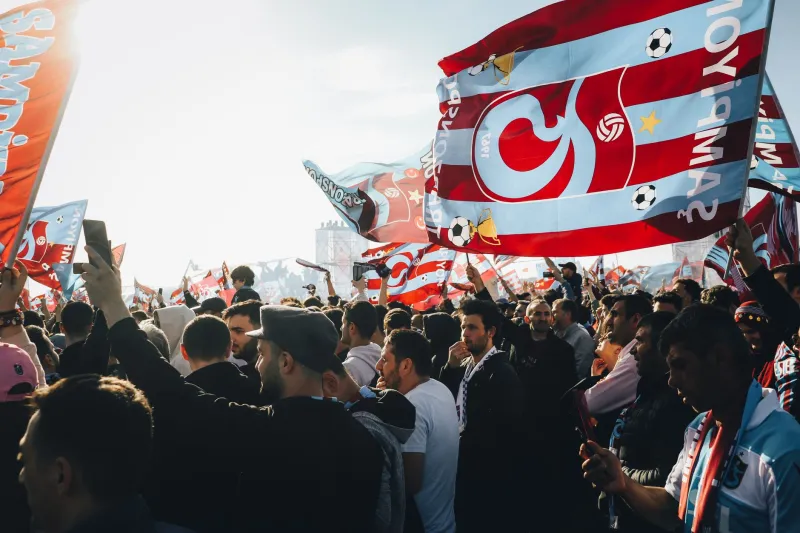
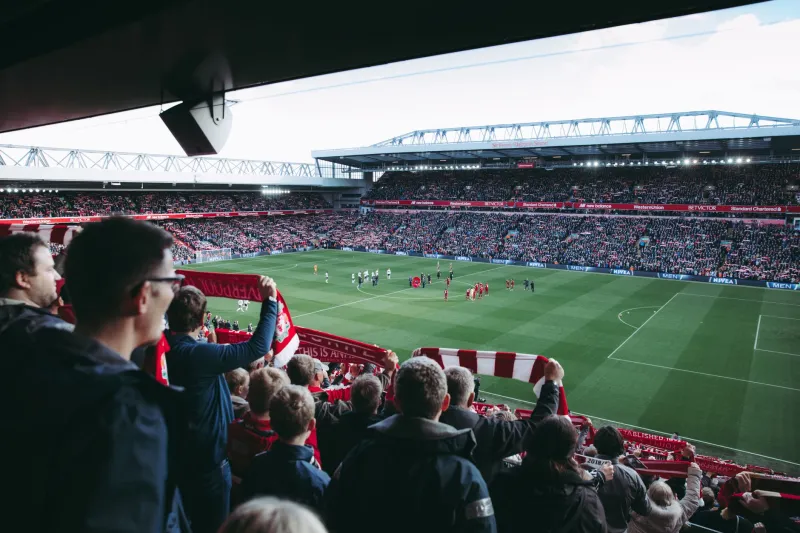
There's a bloke at most grounds — you've seen him. Probably in his sixties, scarf tucked into his jacket the old way, the kind of way nobody taught you but you just knew. He arrives early, leaves late, and somewhere in the middle he'll say something that makes the younger lad next to him squint and nod politely without having a clue what just happened.
That bloke is carrying a language. And nobody's writing it down.
British football has always had its own tongue. Not just chants — those get documented, celebrated, stuck on YouTube compilations. We're talking about something deeper. The everyday vocabulary of the terrace. The shorthand. The nicknames. The phrases that meant something specific in a specific place, and nowhere else on earth.
And it's disappearing. Quietly, without ceremony, the way most things worth keeping tend to go.
What We Mean by Terrace Dialect
Let's be clear — this isn't about swearing, though there's plenty of that woven in. It's about the particular way football communities developed their own internal language. Phrases that told you who was in, who was out, who knew the game and who was just passing through.
Take "the match" itself. In parts of the Midlands and the North, you didn't go to "the game" or "the football" — you went to "the match," and the distinction wasn't trivial. It carried weight. It meant you were a regular. A civilian might say "I went to watch the football on Saturday." A fan said "I was at the match."
Or consider "boo boys" — a term that's mostly vanished from common use but once described a very specific subset of the crowd. Not the away end winding people up. Not general dissatisfaction. The boo boys were your own fans, the ones who'd turn on a player with a particular personal intensity, often someone who'd had a bad spell and couldn't shake the reputation. The term acknowledged that this was a thing, a recognisable phenomenon, with its own internal logic and social dynamics.
Nobody says "boo boys" anymore. They say "keyboard warriors" instead, which isn't the same thing at all.
Club by Club, Word by Word
Spend time talking to older supporters around the country and the regional variation is striking. Football vernacular wasn't just national — it was hyper-local, sometimes varying street by street around a ground.
At Millwall, older fans still refer to certain sections of The Den using names that predate the current stadium entirely — ghost geography, essentially, directions to places that no longer exist. "You'd tell someone to meet you in a spot that hadn't been there for twenty years," one lifelong fan told us. "But everyone who needed to know, knew."
Up in the North East, Sunderland supporters of a certain vintage used "the roker roar" not just as a description of crowd noise but almost as a call to arms — something you invoked when you needed the ground to lift the team. It carried expectation. The Stadium of Light is a fine place, but the phrase doesn't quite carry the same electricity anymore.
At grounds across Yorkshire, the word "mardy" — soft, overly cautious, easily rattled — was applied to players with a brutal precision that no modern punditry phrase quite matches. "He's mardy" told you everything you needed to know about a winger who didn't fancy a tackle.
These aren't just curiosities. They're evidence of how deeply football embedded itself into the communities that built it.
Why It's Fading
The causes aren't mysterious, even if the loss is still painful.
Modernisation has changed who goes to football and how they experience it. The Premier League era brought in new demographics — not a bad thing in itself, but it disrupted the transmission of terrace culture the way any rapid demographic shift disrupts local tradition. When the community around a ground changes quickly, the oral handover of its particular language breaks down.
Pricing plays a role too. When working-class families who'd attended for generations get priced out, they take their vocabulary with them. The phrases don't migrate to the executive boxes.
Social media has also done something interesting and not entirely helpful. It's created a kind of football monoculture — everyone watching the same clips, using the same memes, adopting the same vocabulary regardless of where they're from or who they support. "He's been unreal," "that's a banger," "take a bow" — these are the lingua franca of football discourse now, and they belong to everyone and nowhere simultaneously.
There's nothing wrong with any of those phrases. But when they crowd out the local stuff, something specific gets lost.
The Ones Worth Saving
If you pushed us to make a list — and we're going to, because that's what this is — here are a few that deserve preservation:
"He knows where the goal is" — said with a very particular tone about a striker who scores tap-ins. Not quite admiration. Not quite dismissal. Something in between that only football fans understand.
"A proper footballer" — high praise, but specific. It didn't mean technically gifted. It meant someone who did the dirty work, who could be relied upon, who didn't need the spotlight.
"He'll do a job" — the most resigned, pragmatic compliment in the English language. Reserved for squad players signed in January who you knew weren't going to set the world alight but might, just might, get you a point at Stoke on a wet Tuesday.
"The referee's a homer" — older than most people realise, and more precise than modern alternatives. Implied not just bias but a kind of domestic comfort, a ref who felt safer giving decisions to the home side.
None of these will be trademarked. None of them will appear in a glossy matchday programme. But they're the real language of the game.
Passing It On
Here's the thing — this isn't a hopeless situation. Language survives when people care enough to use it. The bloke with the scarf tucked in the old way? He'll tell you, if you ask. Most long-standing fans are delighted when someone younger shows genuine curiosity about how it all used to be said.
Fan-led podcasts, supporter trust newsletters, even WhatsApp groups of old matchgoing mates — these are the places where the dialect lives on, quietly, away from the broadcast noise.
The terrace was always an oral culture. Passed mouth to ear, season to season, generation to generation. The transmission mechanism has changed — it's harder now, noisier, more competitive for attention — but it hasn't stopped entirely.
So next time the bloke next to you says something you don't quite follow, don't just nod. Ask him what he means. There's a good chance it's something worth knowing.