Priced Into Silence: How the Cost of Your Seat is Deciding Who Gets a Say in Football
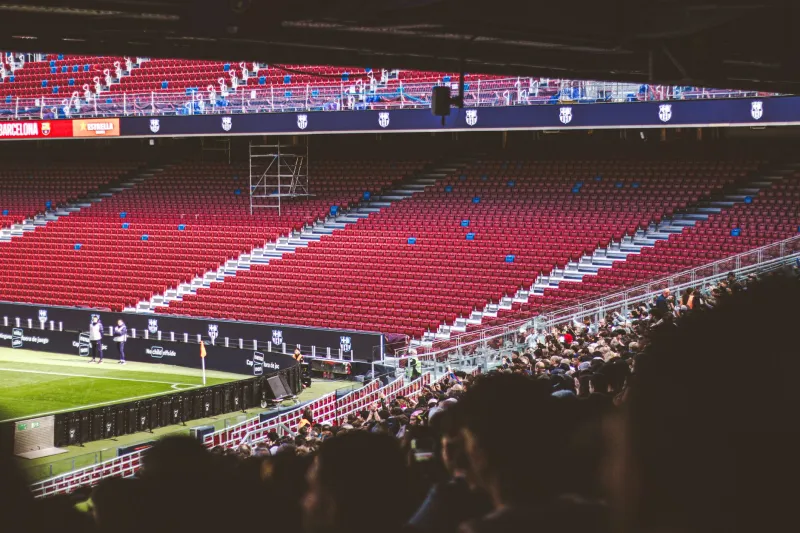
There's an old idea that football is the great leveller. Ninety minutes, one result, everybody suffers together. But spend any time looking at how modern stadiums actually work — who sits where, who gets heard, who gets ignored — and that idea starts to feel more like a marketing slogan than a lived reality.
Because somewhere along the way, the terrace became tiered. Not just physically, but socially. And the consequences of that shift are playing out right now at clubs across the country.
The View From the Top
Let's start with the obvious. Corporate hospitality has always existed in English football. Even in the old First Division days, directors had their boxes, their prawn sandwiches, their remove from the noise below. Nobody pretended otherwise.
What's changed is the scale — and more importantly, the access that premium spending now buys beyond mere comfort. At plenty of top-flight clubs, those in the executive suites aren't just watching the game from behind glass. They're rubbing shoulders with board members, commercial directors, and the kind of people whose opinions actually filter upward into decisions. Season ticket renewals, stadium redevelopments, transfer philosophies — the conversations that shape a club's direction often happen in corridors that most fans will never walk down.
That's not a conspiracy. It's just how proximity works. If you're spending four figures on a hospitality package, the club has a commercial incentive to keep you happy that simply doesn't apply to the bloke in the upper tier who's been renewing his £400 seat for twenty years.
Down the Other End
Meanwhile, at the opposite end of the economic spectrum, something interesting is happening. The standing sections that have slowly returned to English football — safe standing areas, introduced at a handful of Premier League and Championship grounds in recent seasons — have become something of a flashpoint for what authentic fan culture is supposed to look like.
These areas are typically cheaper. They attract younger supporters, away fans when allocations allow, and the kind of people who actually want to be loud. The atmosphere they generate is, at most grounds, noticeably better than what's coming from the padded seats elsewhere. Clubs know this. Television directors know this. When a stadium erupts, the cameras almost always cut to the standing sections.
And yet, when it comes to formal consultation — supporter liaison meetings, fan advisory boards, the structures that UEFA and the Premier League have pushed clubs to set up — who tends to show up and get their voices heard? More often than not, it's the organised supporter groups, which skew older and more established. The loudest fans in the ground are frequently the quietest in the room.
The Middle Ground Nobody's Talking About
There's a chunk of the fanbase that gets overlooked in this conversation entirely: the ordinary season ticket holder. Not corporate, not ultras, not a trust committee member. Just someone who saves up, renews every summer, and genuinely loves their club.
These supporters have been squeezed from both sides. Ticket prices have climbed steadily — even with the Premier League's much-publicised away ticket cap at £30, home tickets at many top-flight clubs remain eye-wateringly expensive by European standards. At the same time, the sense that their loyalty earns them any real stake in how the club is run has quietly evaporated.
The Premier League's fan engagement rules, which came into force in 2022, were supposed to address some of this. Clubs are now required to meet with fan groups regularly and demonstrate genuine consultation. In practice, the quality of that engagement varies enormously. Some clubs treat it seriously. Others treat it as a box-ticking exercise, consulting fans on the colour of the new away kit while decisions about stadium expansion or manager appointments happen entirely behind closed doors.
What Atmosphere Is Actually Worth
Here's the uncomfortable commercial truth that sits underneath all of this: clubs need atmosphere, but they don't always want to pay for it in terms of influence.
A bouncing stand is worth millions in broadcast appeal, in matchday experience, in the kind of organic content that money can't directly buy. But translating that energy into actual power — into a genuine seat at the table — is something most clubs have been reluctant to do. The fans who create the noise are often the ones least equipped, financially or structurally, to turn up to a Tuesday night fan board meeting and argue their corner.
This is where the geography of the stadium starts to feel less like an accident and more like a design. The people generating the atmosphere are kept energised and engaged enough to keep coming back. The people with money are kept comfortable enough to keep spending. And the difficult questions about ownership, ticket pricing, and genuine accountability get lost somewhere in between.
Does It Have to Be This Way?
Not necessarily. There are models that push back against this drift. Fan-owned clubs, obviously — FC United of Manchester, AFC Wimbledon in their early years, Exeter City — have shown that supporter democracy can work, though they come with their own complications at scale. The German 50+1 rule, which prevents any single investor from taking majority control of a club, remains the gold standard that English football's most romantic reformers keep pointing to, even knowing how far away it feels.
Closer to home, some clubs have made genuine strides. Brentford's relatively transparent communication with fans during their stadium transition. Supporters' trusts at clubs like Swansea City holding actual shares and actual board representation. These aren't perfect solutions, but they gesture toward something different.
The question is whether the broader football ecosystem — one increasingly shaped by private equity investment, global fanbases, and the relentless logic of revenue maximisation — has any real appetite for change. Because right now, the stadium layout is doing a lot of ideological work. It's telling you, very clearly, who matters and how much.
The Terrace Verdict
Football has always had hierarchies. That's not new. What feels different now is how explicitly the financial architecture of the modern stadium encodes those hierarchies — and how little most clubs are willing to acknowledge it.
The fan in the corporate box and the fan in the standing section are both watching the same game. But they are not, in any meaningful sense, experiencing the same club. And until the people running football are honest about that gap — rather than papering over it with fan surveys and consultation theatre — the loudest voices will keep belonging to the richest wallets.
That's not football. That's just business with a scarf on.