What Does Loyal Even Mean Now? The Fans Rewriting the Rules in Real Time
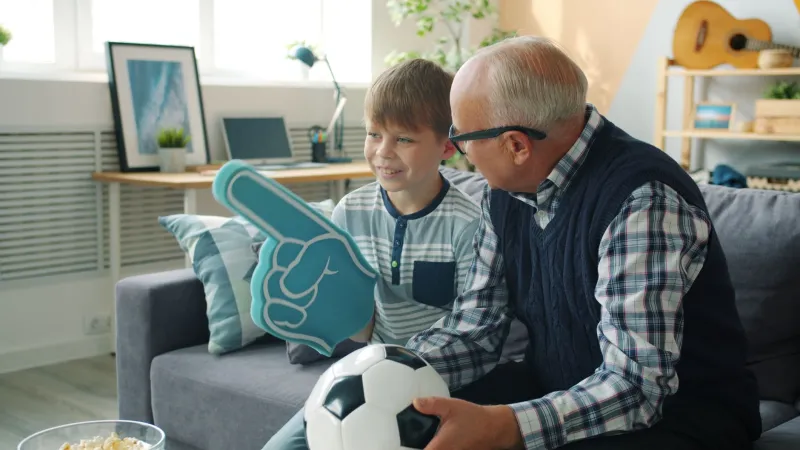
My uncle has supported the same club since he was seven years old. He's sixty-three now. In that time, they've been in three different divisions, had at least a dozen managers he's absolutely hated, played in two different stadiums, and been owned by people ranging from the merely incompetent to the genuinely alarming. He has never once considered not going.
His nephew — my cousin — is twenty-six. He follows the same club, sort of. He watches the highlights. He plays them in his Fantasy Football team when the fixtures look favourable. He follows three or four other clubs on social media because he finds their content good. He went to a game last season. He'd say he's a fan.
Both of them are right. That's what makes this complicated.
The Definition We Inherited
For most of football's history in this country, loyalty meant one thing: you picked a club — or more accurately, a club picked you through geography, family, or some formative childhood moment — and that was it. Done. Non-negotiable. The club's fortunes became your fortunes. Their bad seasons were your bad seasons. You didn't get a say in the manager, the owners, or the transfer policy, and you were expected to keep paying for the privilege regardless.
This model produced some of the most devoted supporters in world sport. It also produced some fairly miserable people who've spent forty years being let down by the same institution and can't stop going back.
But it was coherent. Everyone understood the rules. Loyalty meant showing up, paying up, and shutting up. Anything less was plastic.
What Changed
The short answer is: everything, and over quite a short period of time.
Sky Sports changed it first, by making top-level football something you consumed from a sofa rather than a terrace. The Premier League era created millions of fans who'd never been to a game but felt genuine attachment to clubs they'd watched win things on television. Were they loyal? They'd say yes. The away-end regulars would say no. Both had a point.
Then came the internet, which turned football into a 24-hour conversation and made it possible to follow dozens of clubs simultaneously. Then fantasy football, which gave fans an actual financial stake in players from rival clubs. Then social media, which turned clubs into content producers and supporters into audiences.
And now, in 2024, you've got a generation of fans who've grown up with all of that as the baseline. For them, following multiple clubs isn't disloyalty — it's just how football works. Choosing to stream a Bundesliga game on a Saturday afternoon doesn't mean they don't care about their own club. It means they like football.
The Older Fan's Perspective
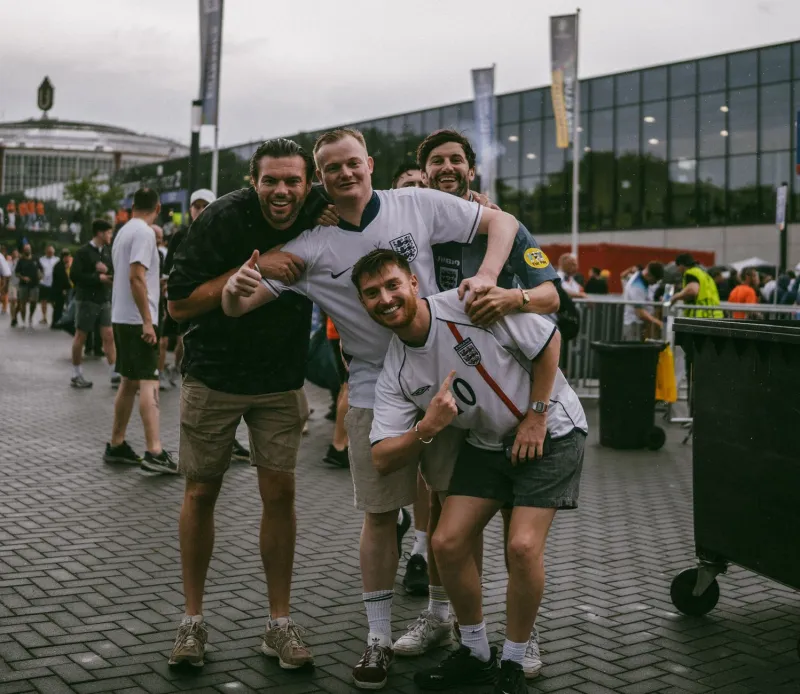
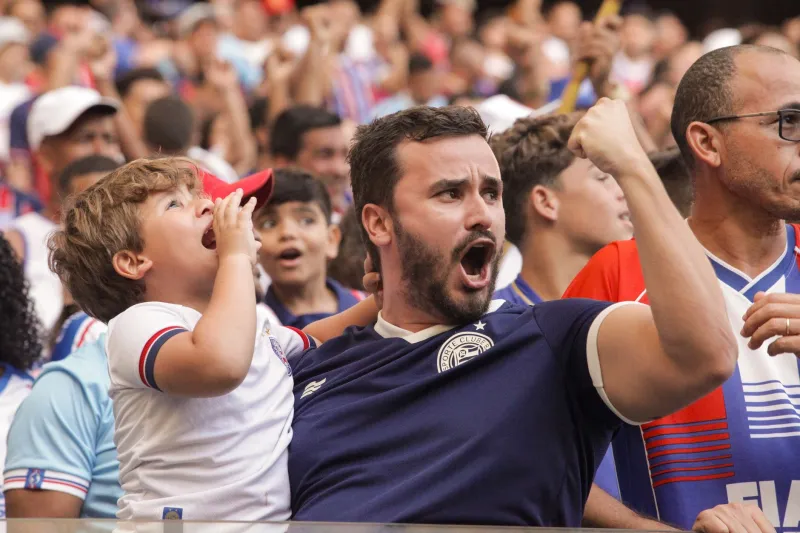
Spend any time in the stands with supporters who've been going for thirty or forty years and you'll hear the same frustration, expressed in different ways. The feeling that something has been diluted. That the fandom they knew — the one built on sacrifice and commitment and turning up in the freezing rain when you'd rather be anywhere else — has been replaced by something lighter and more casual that doesn't really deserve the same name.
"It's not the same as being there," said one Burnley fan we spoke to, a season ticket holder for over two decades. "Watching it on your phone, having five different clubs you follow — that's not supporting. That's consuming. There's a difference."
This isn't nostalgia for its own sake. There's a genuine argument here. The culture of the terrace — the songs, the rituals, the collective identity — was built by people who were fully committed. Partial commitment produces a different kind of atmosphere, a different kind of community.
And when clubs make decisions that harm their most loyal supporters — ticket prices, kick-off times, away allocations — the argument for protecting that old-school loyalty becomes more urgent, not less.
The Younger Fan's Perspective
Here's the thing about twenty-something football fans in 2024: they didn't create the conditions they're operating in. They were handed a sport that had already been commercialised, already been packaged for global consumption, already been turned into entertainment product.
Asking them to perform loyalty in the traditional sense is a bit like asking someone to write letters because emails feel less committed. The infrastructure of the old loyalty — affordable tickets, local clubs as community anchors, football as a working-class Saturday ritual — has been systematically dismantled. The fans who couldn't adapt got priced out or pushed out.
So younger fans adapted. They follow the football that's available to them, in the ways that are available to them. They build genuine attachments, they care about results, they know the squad inside out. It just looks different.
"I've supported my club my whole life," said one twenty-two-year-old Leeds fan. "I also watch a lot of other football. I don't see why those two things can't both be true. My grandad watched cricket in the summer. That didn't make him less of a football fan."
Is One Version Better?
Honestly? They're different, and comparing them directly isn't that useful.
The old model of loyalty produced something irreplaceable — the kind of deep, unconditional commitment that creates genuine terrace culture, that fills grounds in League Two, that keeps clubs alive through administration and relegation and all the rest of it. That's worth protecting.
But the new model has produced something too. It's produced a generation that's more knowledgeable about world football than any previous one, more connected to the global game, and often more willing to call out the things that are actually damaging football — the greed, the cynicism, the contempt for ordinary supporters — precisely because they're not so deep inside one club's identity that they can't see clearly.
The fan who follows six clubs on social media might be the first one to notice when something dodgy is happening at one of them.
What Loyalty Actually Requires Now
Maybe the question isn't which version of loyalty is correct, but what loyalty is actually for.
If it's about sustaining clubs financially and culturally — filling grounds, buying shirts, keeping the whole thing going — then the old model still matters enormously, and we should be doing more to support the people who practise it.
If it's about genuinely caring about football, knowing the game, being invested in outcomes — then the new model qualifies. It's just loyalty expressed through different channels.
The terrace will tell you that showing up is what counts. And they're not wrong. But showing up looks different for different people, in different circumstances, in a sport that's changed almost beyond recognition in thirty years.
My uncle and my cousin both care about the same club. They just care differently. And somewhere between those two versions of caring, the whole complicated, brilliant, maddening thing keeps going.